

Is paint protection worth it in Adelaide? An honest guide
Adelaide gets about six rainy days across summer. Sydney gets thirty-three. That gap, more than the UV index, is why unprotected paint ages faster here.
· 6 min read
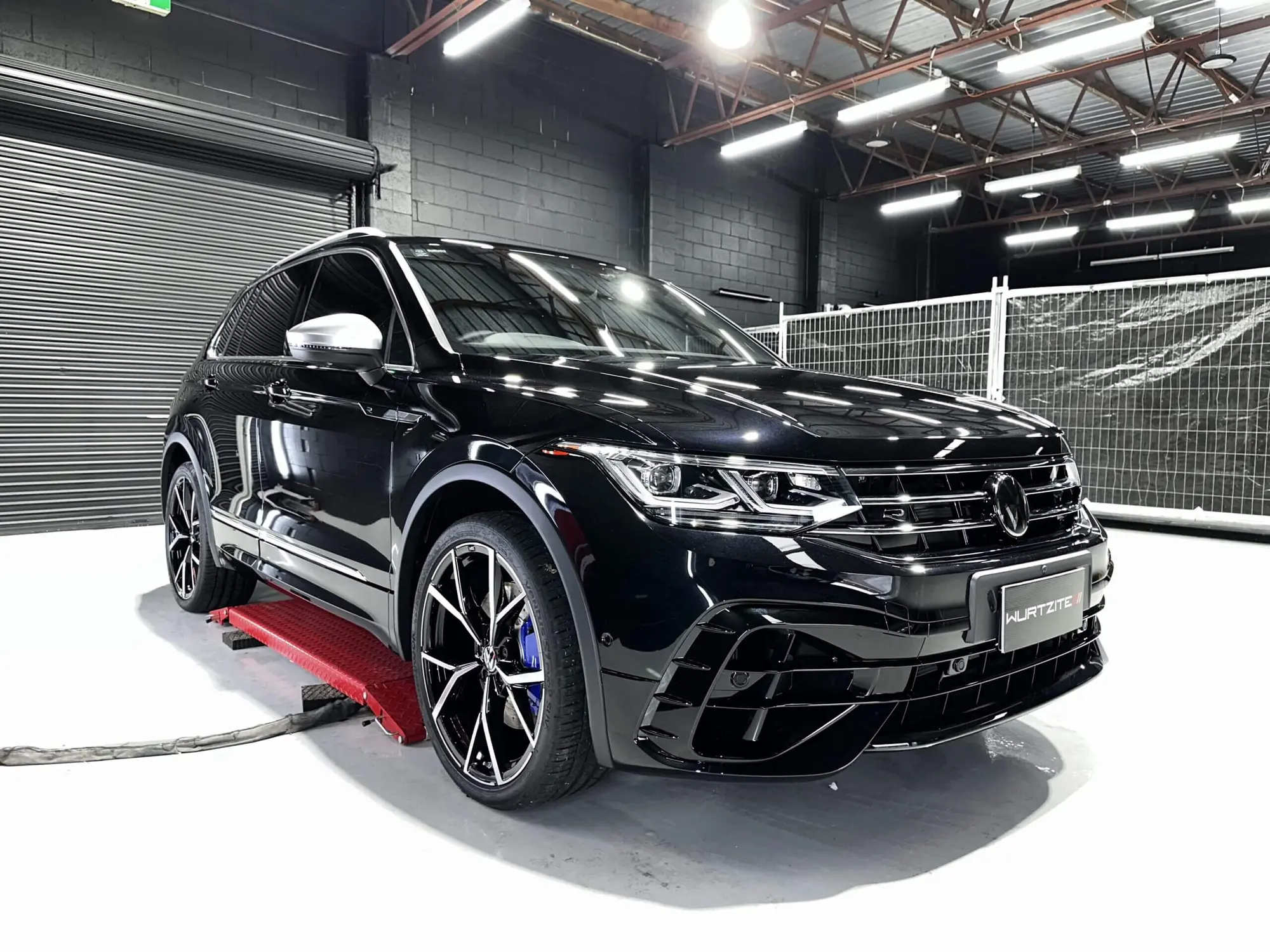
Most people first hear about paint protection from a car dealer. You have just signed the papers and a quote slides across the desk. A few hundred dollars, sometimes more, for paint protection, with no real explanation of what it does. Just a line on an invoice.
That is a poor introduction to something that matters. Here is a straight answer after 28 years of detailing, paint protection and window tinting in Adelaide: professional paint protection is worth it when it is done properly. Done carelessly it is money gone.
What the clear coat is up against
Your car carries a clear coat over the colour. It provides the gloss and takes the daily exposure, and it is softer than most people expect. Bird droppings etch into it within hours on a hot Adelaide day. Wrong wash technique leaves swirl marks. UV degrades it slowly and permanently. Road grime and industrial fallout bond to the surface and get harder to remove the longer they sit.
None of that is sudden. It accumulates, and by the time an owner notices the colour looks flat and the panels have lost their depth, the damage is well established.
Wax, sealant or ceramic
| Durability | Hardness | Gloss | Reapplication | |
|---|---|---|---|---|
| Wax | 4 to 8 weeks | Low | Moderate | Every 6 to 8 weeks |
| Paint sealant | 6 to 12 months | Low to medium | Moderate | Once or twice a year |
| Ceramic coating | 3 to 10+ years | 9H to 10H Mohs | Exceptional | None required |
Wax is fine inside a wash routine. It adds shine and a little water repellency, wears off in weeks, and gives you no hardness. A ceramic coating bonds permanently to the clear coat, does not wash away, and creates a surface harder than the paint underneath. That hardness is what counts when bird acid, grit or a wash mitt full of grit meets the panel.
Why Adelaide is harder on paint than most cities
You would assume UV, and you would be half right. Peak summer UV here sits at 14 to 15, which is extreme, but Sydney and Melbourne reach similar peaks. What separates Adelaide is what happens between the sunny days: almost nothing. No rain, heavy heat, and very little humidity to slow the chemical damage.
| City | Peak summer UV | Annual sunshine hours | Annual rainfall | Summer rain days | Days above 35°C | Paint risk |
|---|---|---|---|---|---|---|
| Adelaide | 14 to 15 | 2,765 | 537 mm | About 6 | About 26 | High |
| Melbourne | 14 | 2,200 | 516 mm | About 15 | About 10 | Medium |
| Perth | 14 | 3,200 | 699 mm | About 8 | About 20 | High |
| Brisbane | 15 | 3,000 | 916 mm | About 30 | About 3 | Medium |
| Sydney | 14 | 2,600 | 1,150 mm | About 33 | About 5 | Lower |
A Sydney car gets nature’s rinse cycle roughly five times more often than an Adelaide car over summer. Brisbane has a higher peak UV index than Adelaide and gets 30 rainy days across summer. Adelaide gets around six. Droppings, sap and road dust that land on a panel in December can still be there in February, working into the clear coat in heat that regularly tops 35°C.
What skipping it costs later
A car three or four years into life without protection usually needs correction before any coating can go on, to clear swirl marks, bonded contamination and early oxidation. That preparation adds to the total in a way that protecting it early would have avoided.
Resale is the other half. Protected paint looks different at sale time and buyers and dealers both respond to it. The gloss and depth you hold onto can move what the car is actually worth.
Where most jobs fall apart
A coating applied over unprepared paint locks in every swirl, scratch and contamination particle permanently. You will not see it clearly on the day. In the right light a few months later, you will.
A quality installer assesses the paint first, carries out the correction it needs, and only then coats. Ask any installer you are considering what the preparation includes. A vague answer is an answer.
Worth checking too: MTA approval, product-specific certification, and real before-and-after results from customer vehicles. Ask about the SiO₂ content of the ceramic being quoted. We apply Wurtzite P85, the only coating on the market at 85% SiO₂ solid content per kit. Many cheaper products sit at 50% or below, which shows up in both hardness and longevity.
When to do it
Ideally straight after you pick up a new car, while the factory paint is as clean and defect-free as it will ever be. Coating perfect paint gives a better result than coating repaired paint.
If the car is a few years old it is not too late. Get the paint assessed so you know what preparation is involved. The longer it goes unprotected, the more work is needed to reach the right starting point.
Want an honest assessment of your paint before you decide? Call 1300 605 531, or (08) 8261 3552. No pressure and no upselling, just a straight conversation about what the car needs.